

Clinical Counseling at Herd & Soul
Individualized Therapy in a Ranch Environment
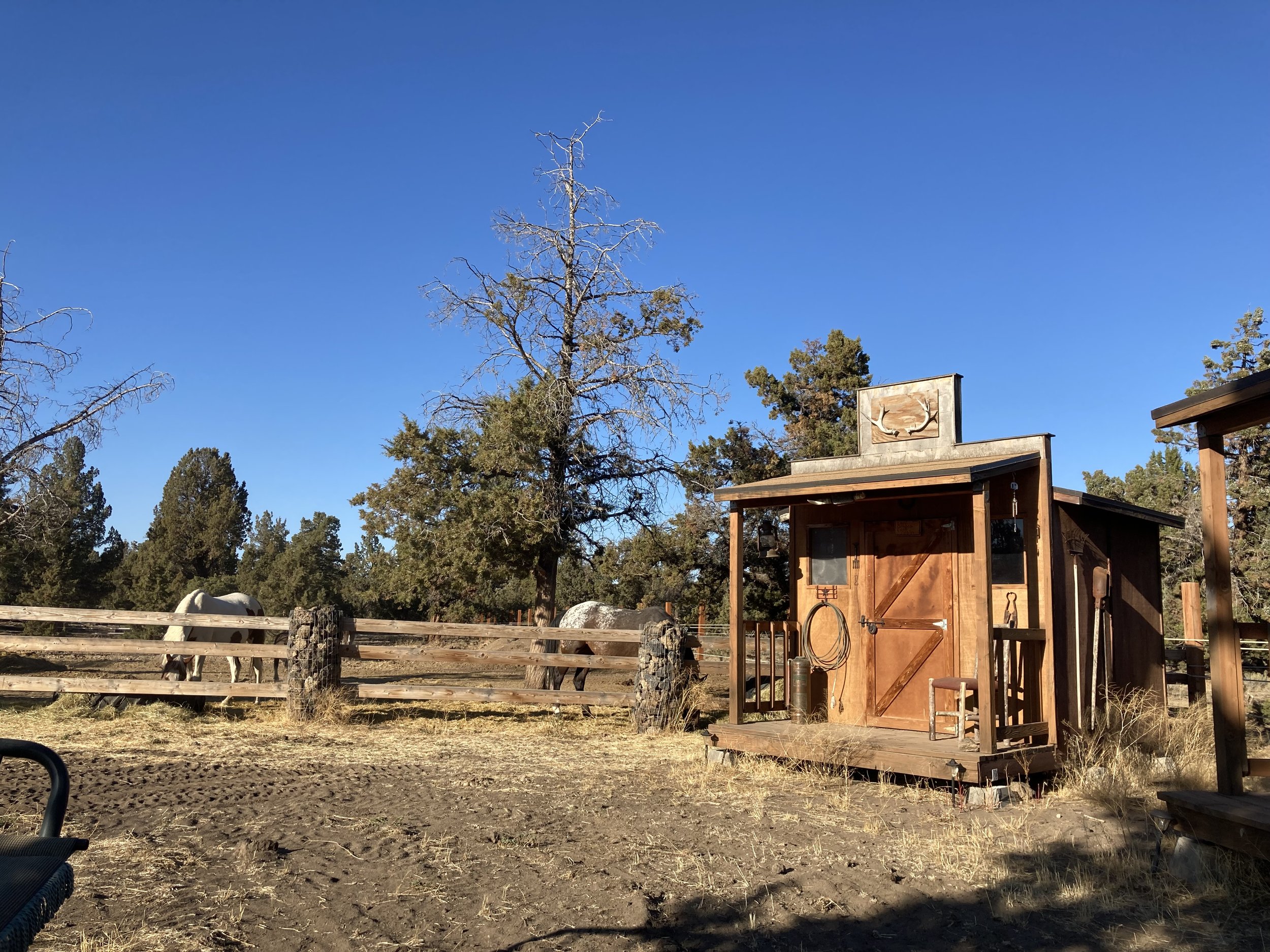
Herd & Soul Therapy provides individualized clinical counseling for children, teens, and adults in a private ranch setting.
Therapy may take place indoors, outdoors, or across different areas of the ranch depending on the client, treatment goals, preferences, developmental needs, and what is clinically appropriate.
The ranch expands the ways therapeutic work can occur. Depending on the client, counseling may include conversation, movement, creative or play based experiences, sensory exploration, time in nature, interaction with ranch animals, or intentional interaction with or observation of horses as part of psychotherapy.
Horses are an important part of Herd & Soul, but direct interaction with a horse is not required and is not automatically included in therapy.
Therapy Comes First
I approach counseling through careful assessment, collaborative treatment planning, the therapeutic relationship, and an understanding of each client's individual needs.
I use an integrative approach and may draw from relational, attachment based, experiential, cognitive, mindfulness based, body aware, skills based, play based, and expressive approaches depending on the client and the goals of treatment.
The ranch provides additional possibilities for how therapeutic work may occur, but the environment, activities, and animals do not replace the clinical purpose of therapy. I incorporate them intentionally when they meaningfully support the therapeutic work we are doing together.
Therapy at Herd & Soul is individualized, allowing me to adapt the setting, activities, and therapeutic approach to the needs and goals of each client.
Explore Counseling at Herd and Soul
The Ranch as a Therapeutic Environment
The ranch offers more than access to horses.
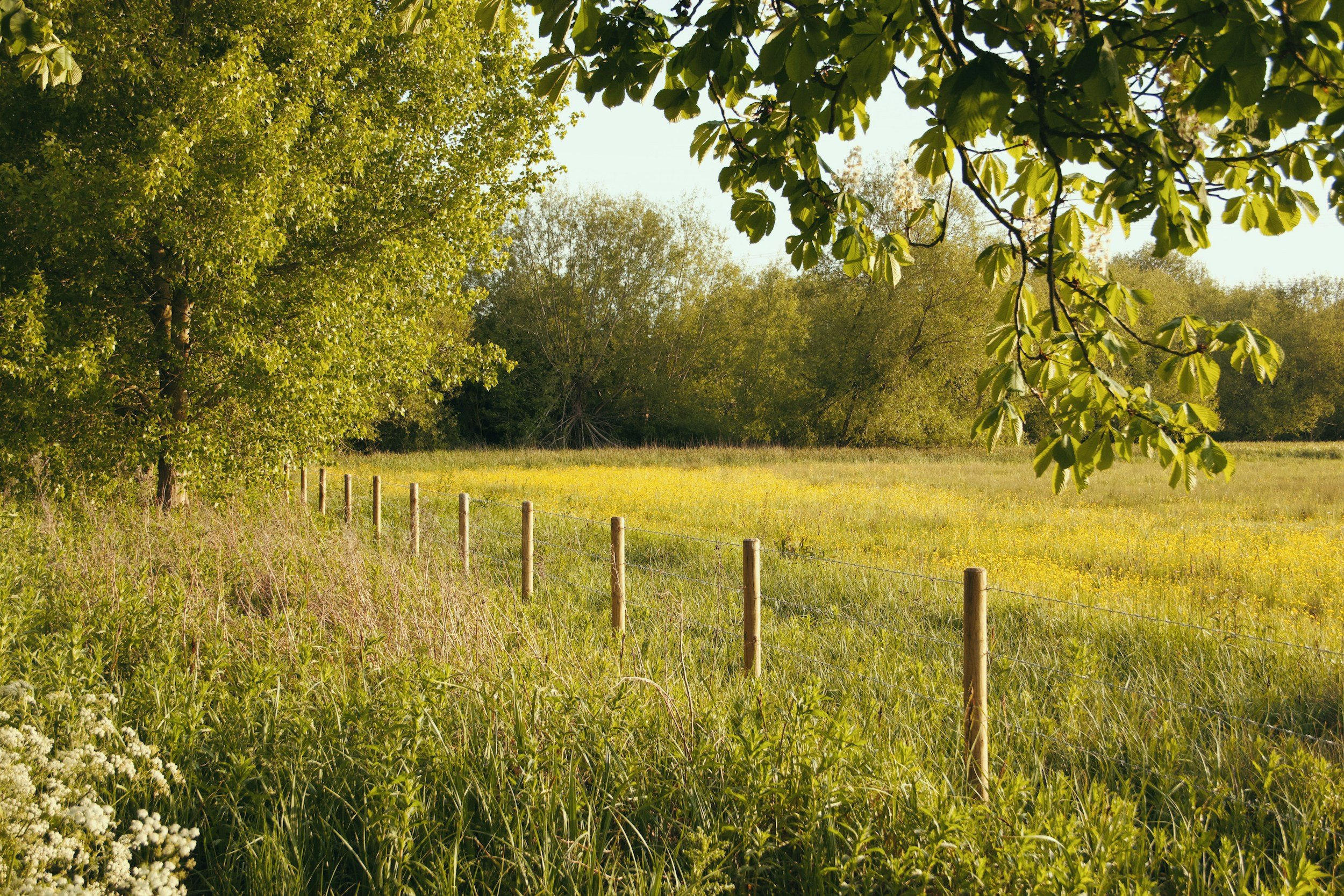
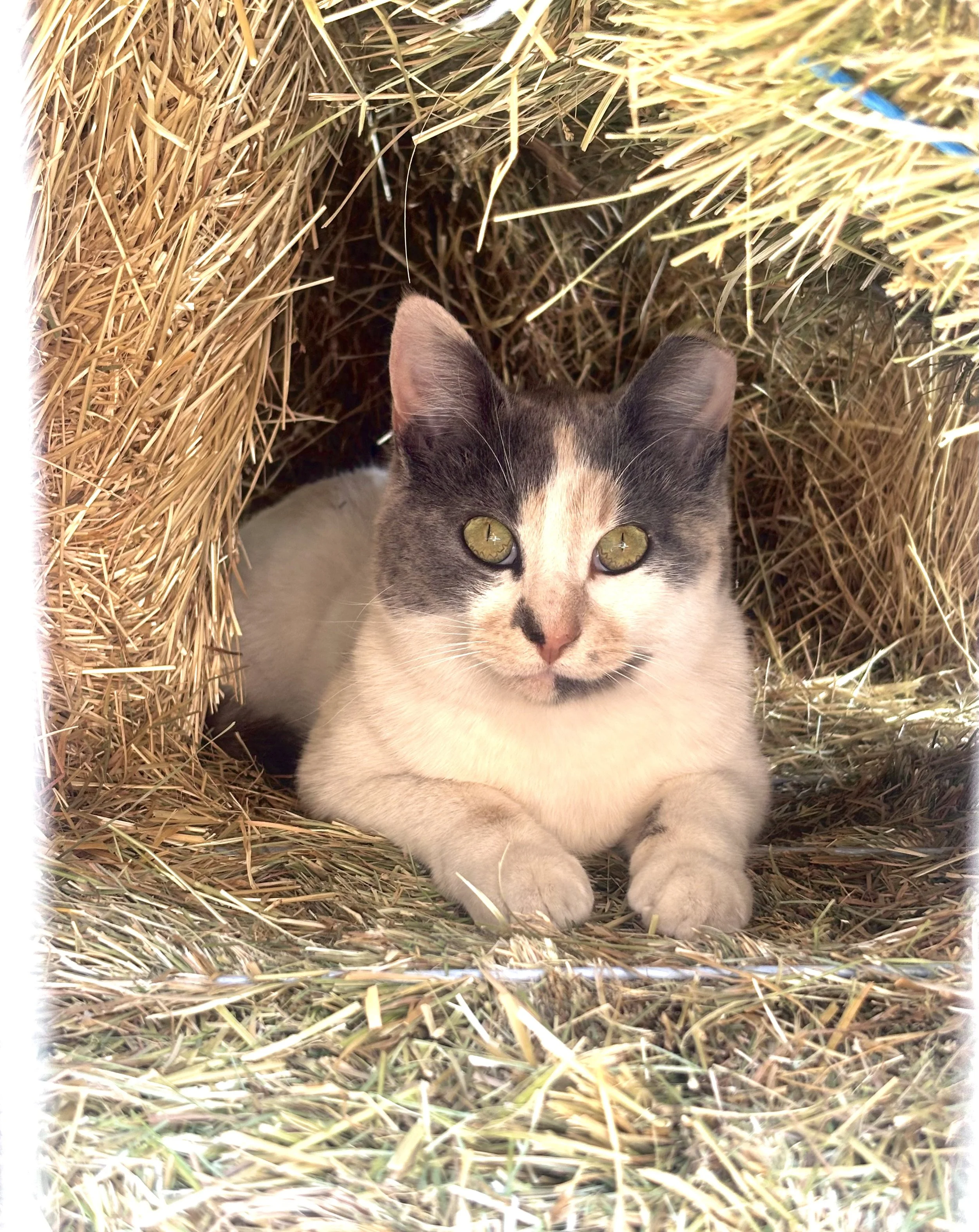
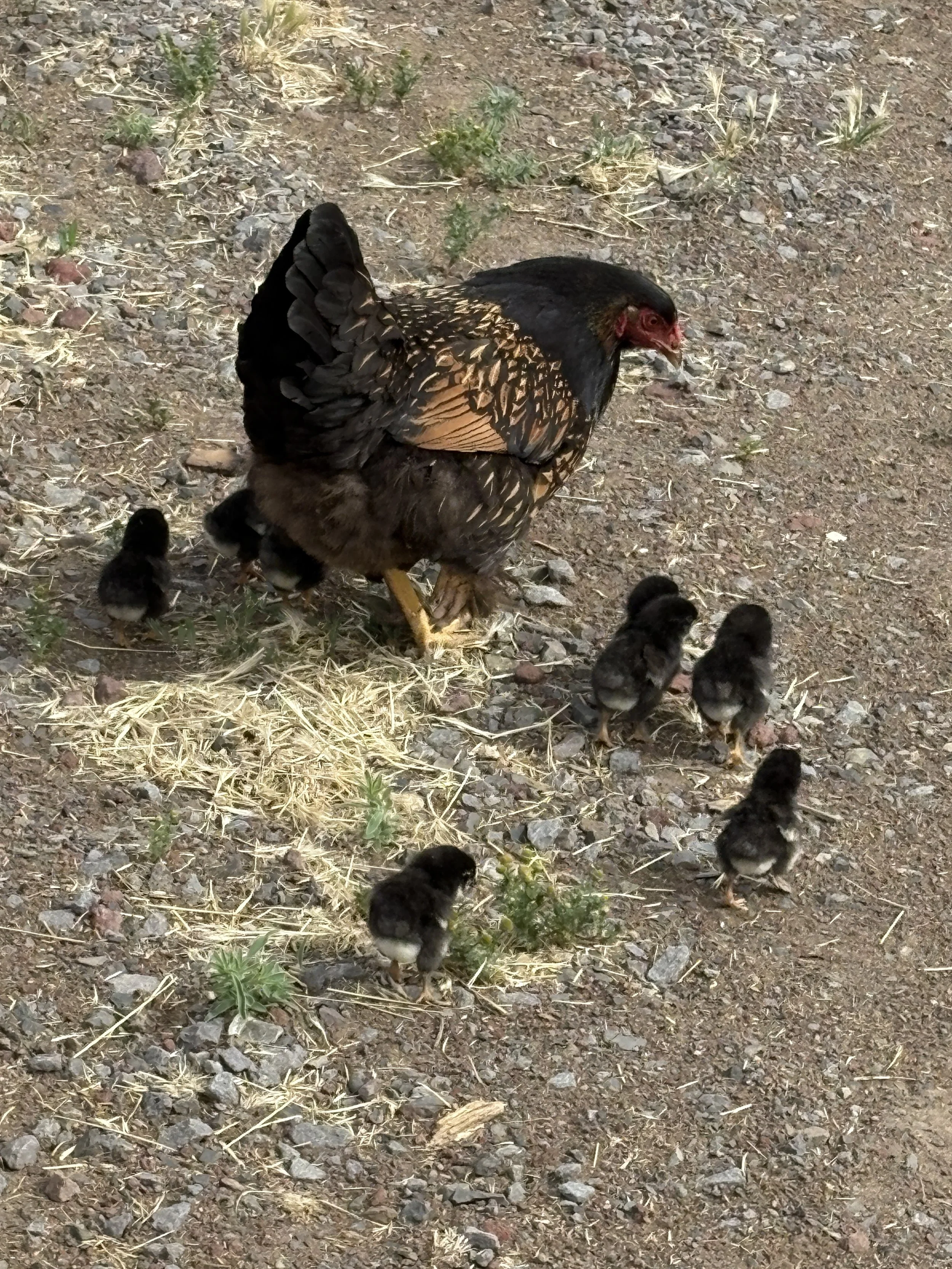
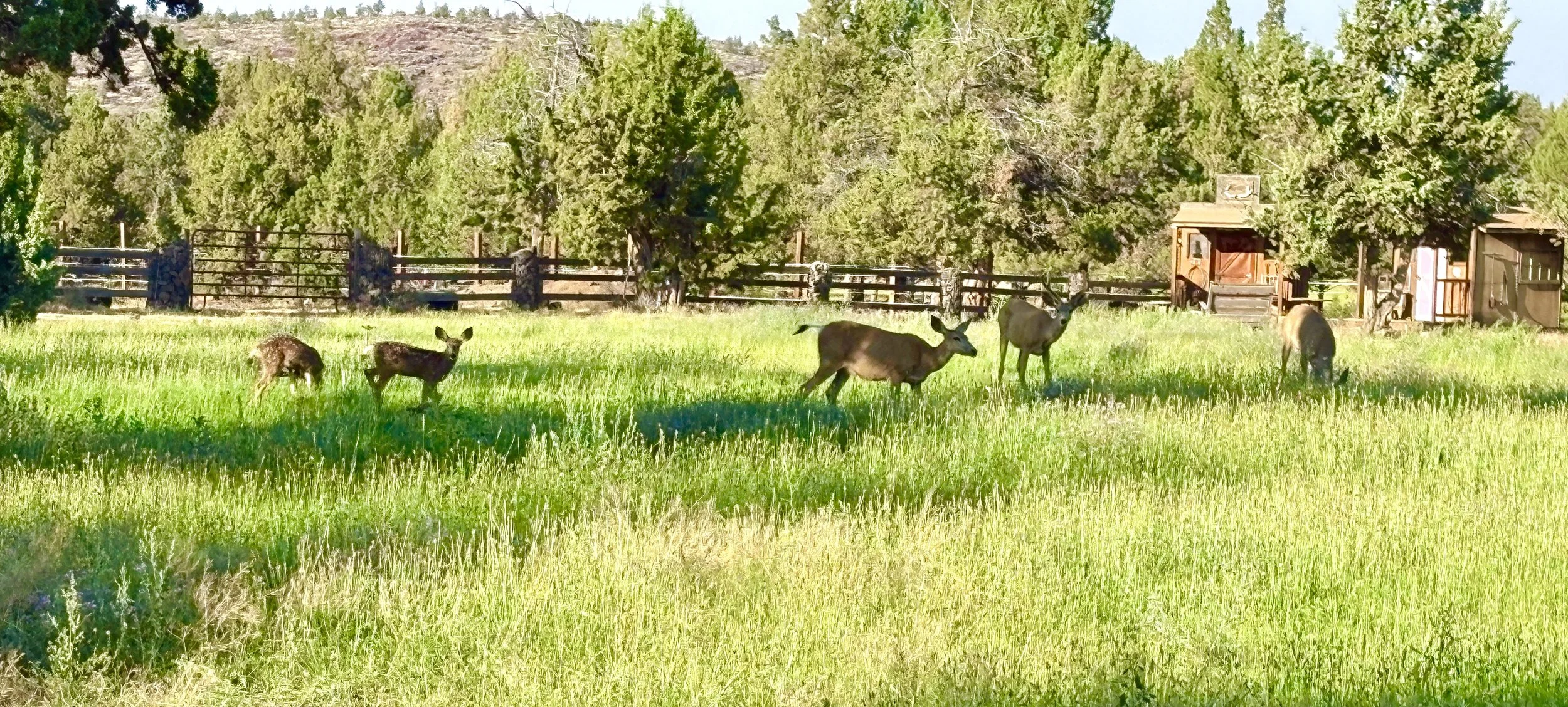
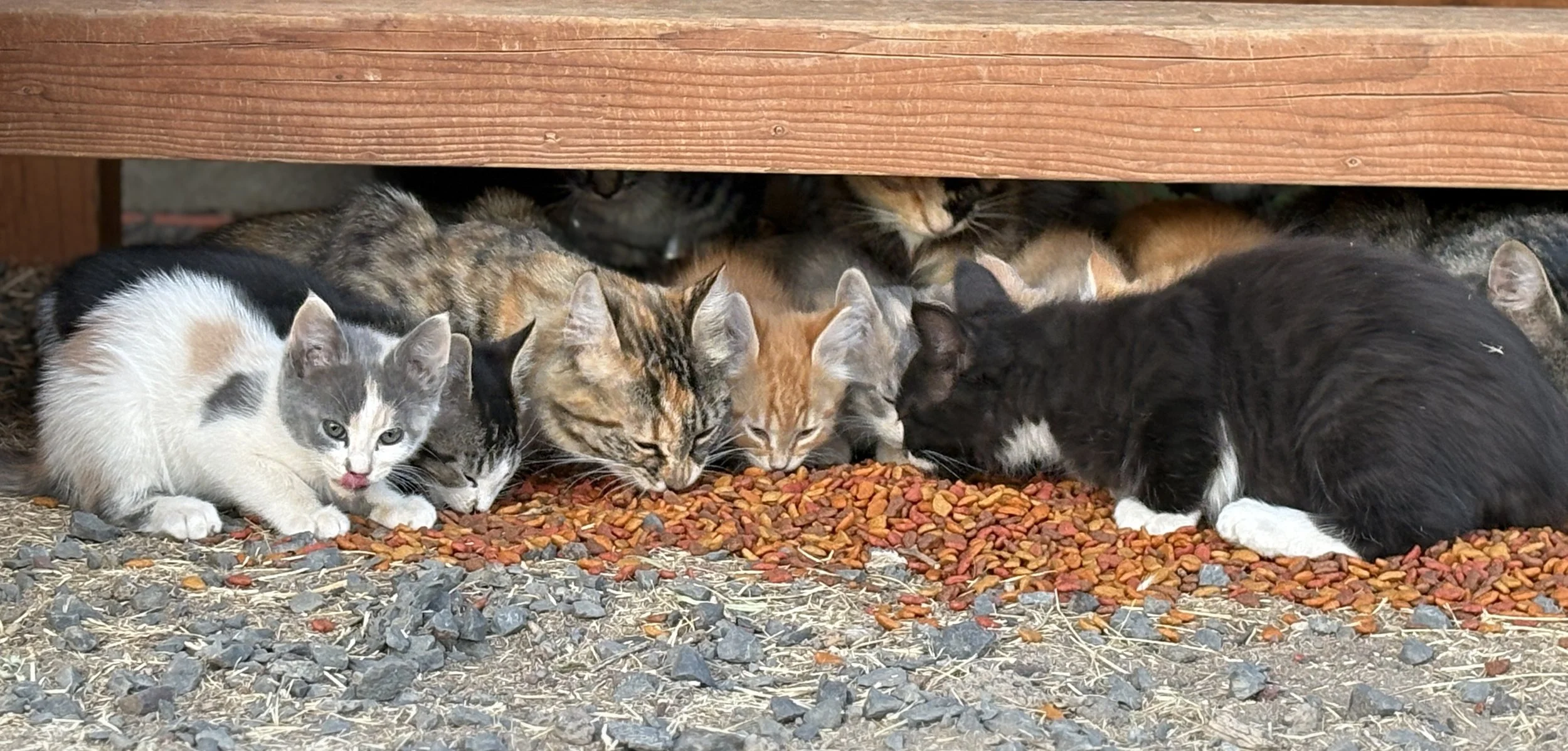
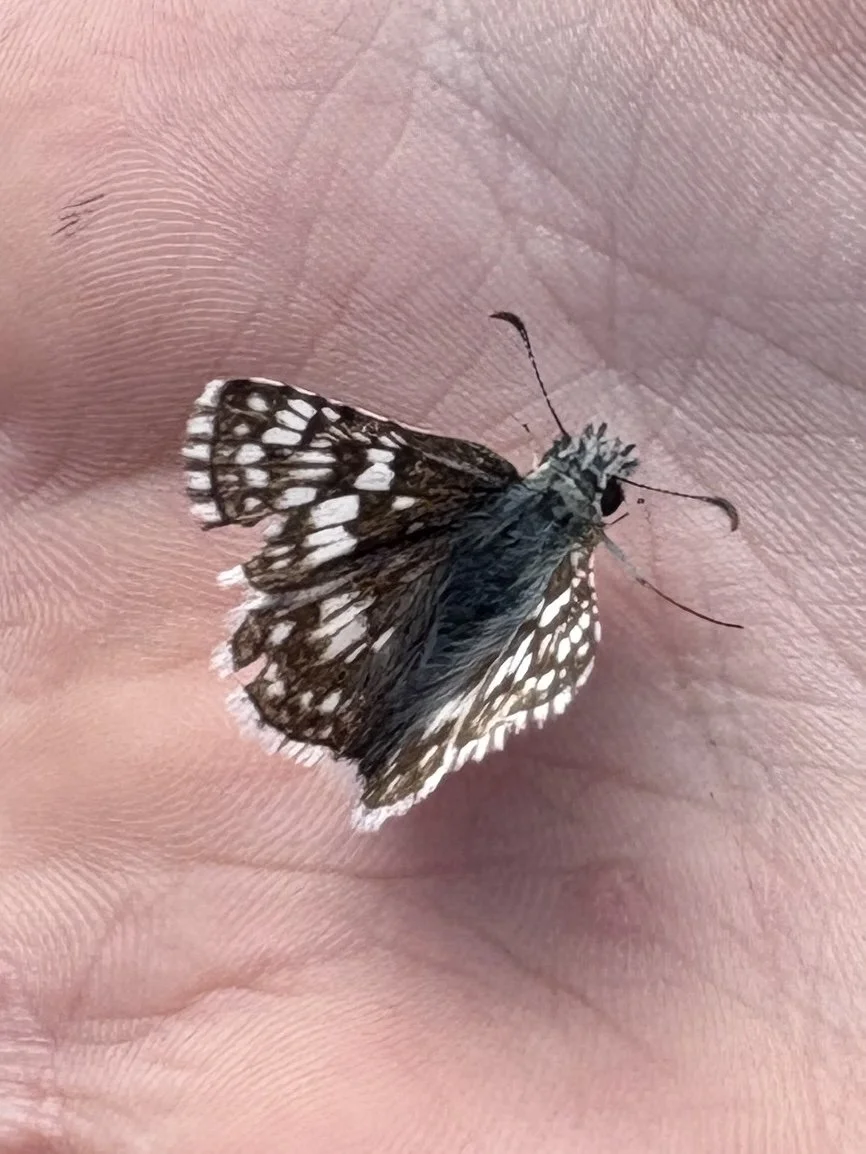
Clients may encounter cats, chickens, wildlife, insects, trees, plants, changing weather, open space, natural sounds, movement, and the ordinary rhythms of a living ranch environment.
These experiences can create opportunities for curiosity, attention, sensory awareness, emotional regulation, play, reflection, relationship, and therapeutic exploration.
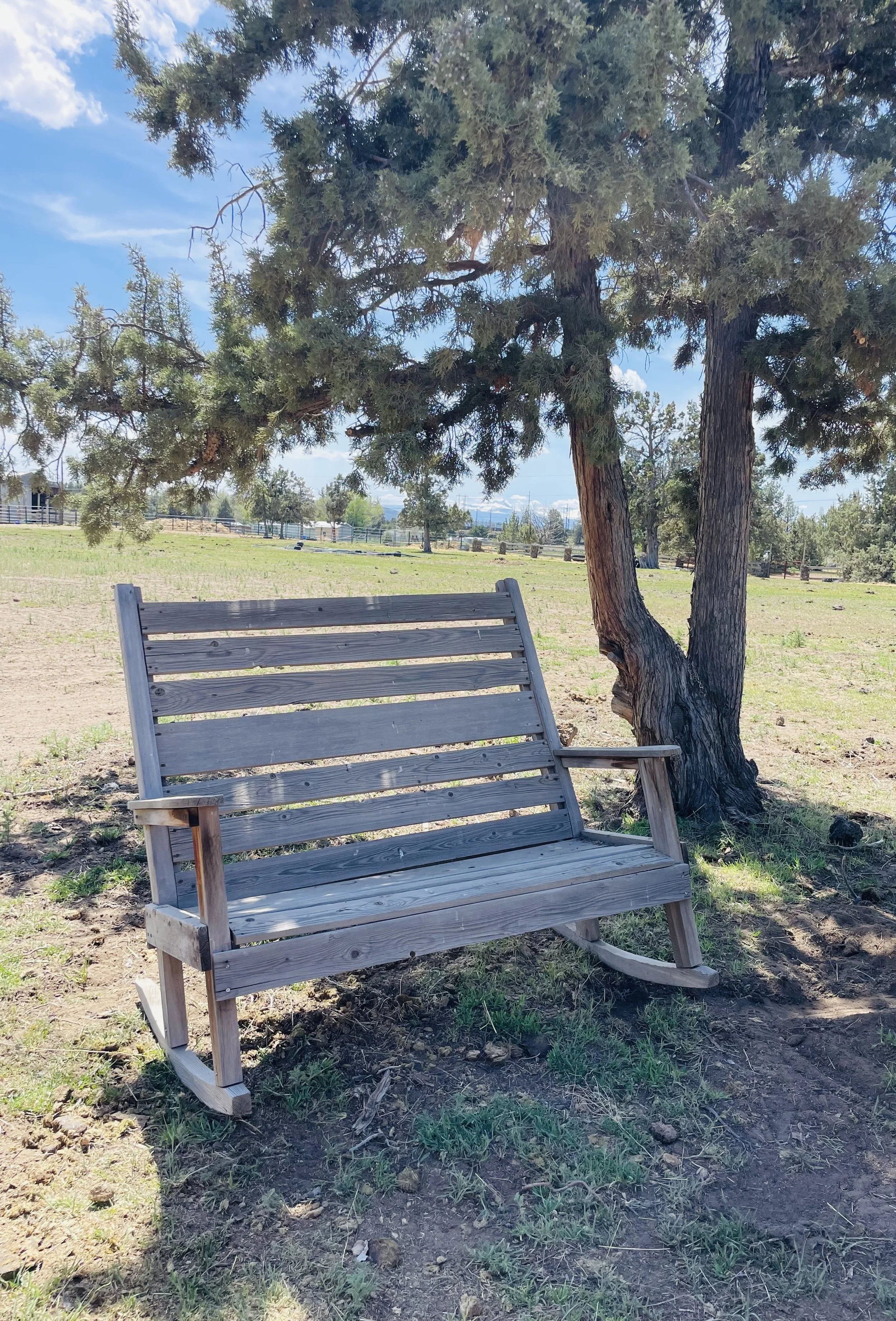
For some clients, being able to move, sit outdoors, notice what is happening around them, or step outside the formality of a traditional office can support engagement in therapy.
Others may prefer to spend much of their time indoors while still benefiting from the quiet setting, views of the pasture, nearby animals, or the option to move outside when helpful.
The ranch provides therapeutic possibilities without requiring every client to engage with the environment in the same way.
What Role Might Horses Play?
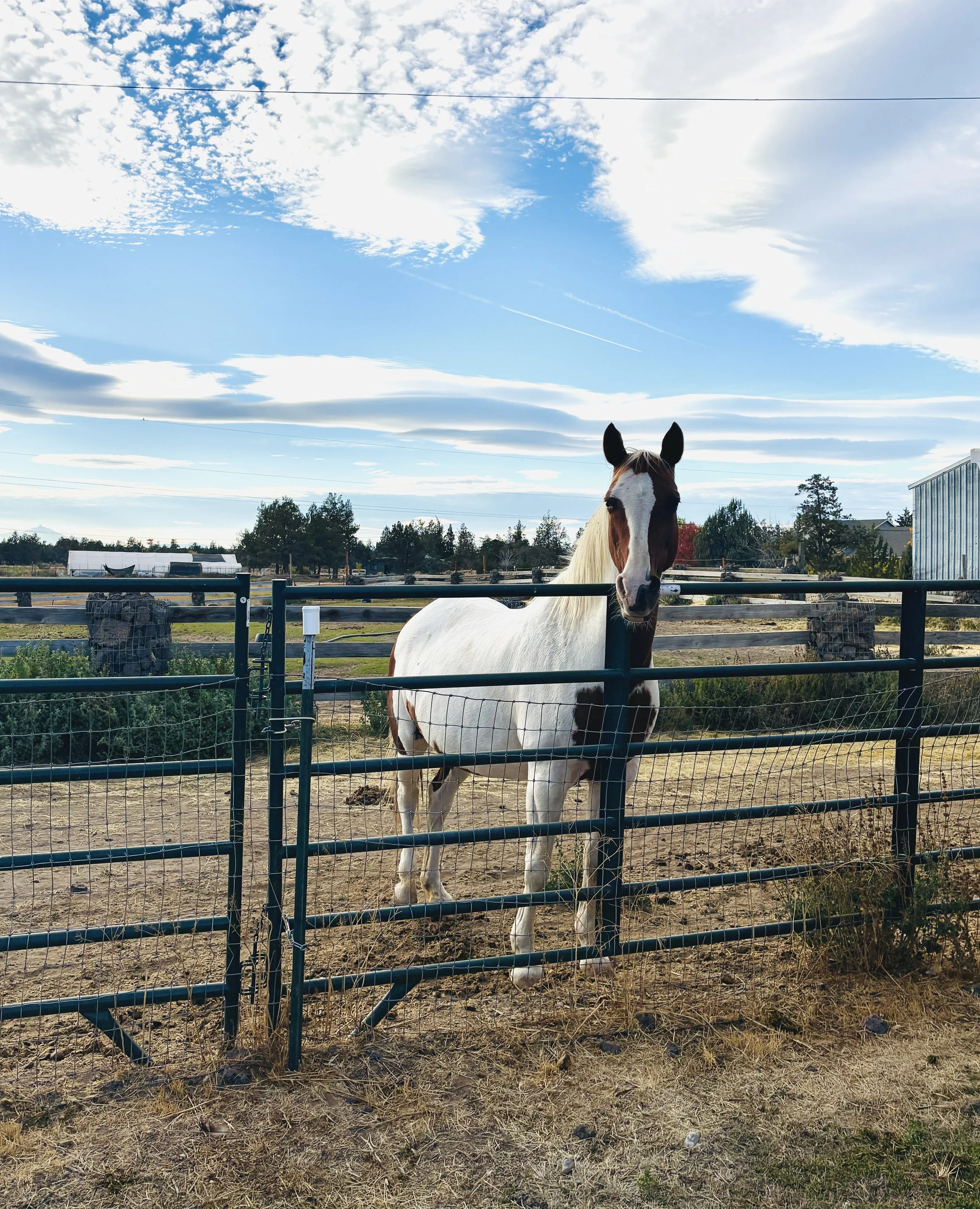
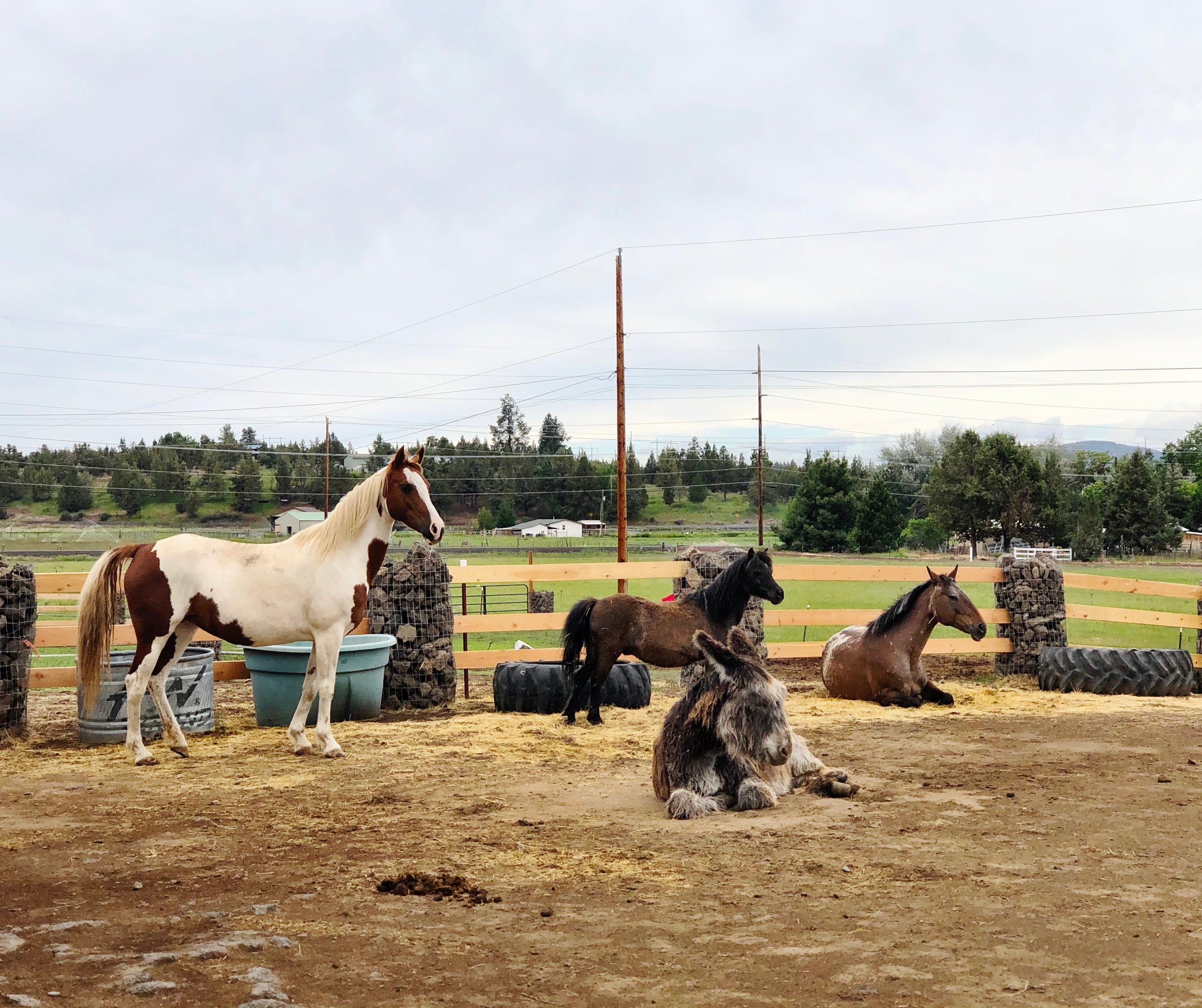
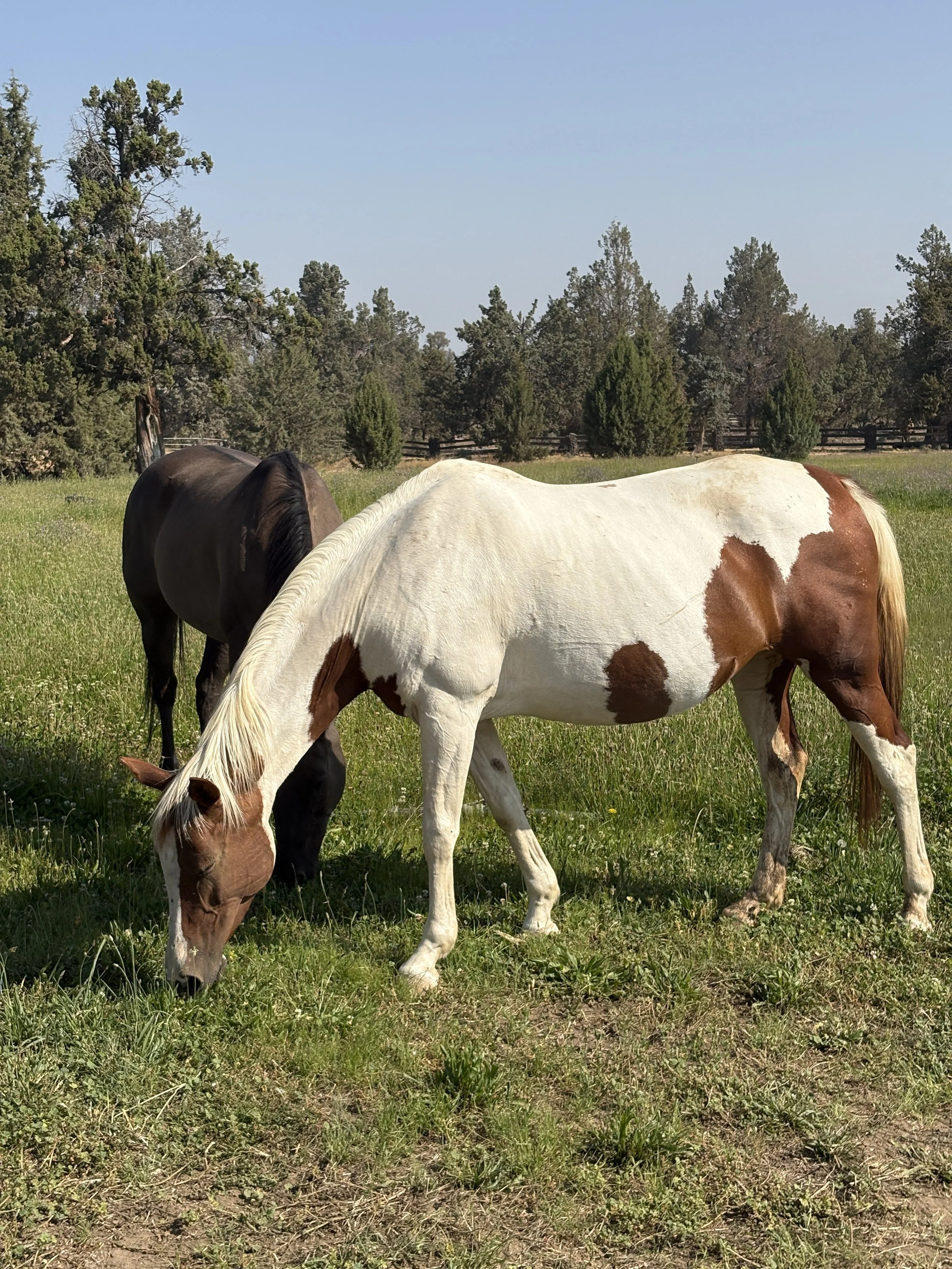
Horses may become part of psychotherapy when their involvement meaningfully supports a client's treatment goals.
Intentional interaction with or observation of horses as part of psychotherapy can occur at different levels. A client may:
Observe horses from a distance.
Spend time near the herd without direct interaction.
Notice thoughts, feelings, physical responses, or relationship patterns that arise while observing or being near horses.
Participate in an intentionally structured interaction with a horse.
Engage more directly with a horse when doing so is clinically appropriate.
Direct interaction is not assumed simply because a client comes to Herd & Soul.
Before incorporating horses more intentionally into treatment, I consider the client's needs, interests, expectations, treatment goals, comfort within the environment, responses to the ranch setting, and whether horse involvement offers a meaningful therapeutic purpose.
The role horses play may also change over the course of therapy. Some clients may spend substantial therapeutic time in proximity to horses. Others may incorporate horses occasionally. Some may participate in counseling at Herd & Soul without directly interacting with a horse.
Client Fit, Clinical Purpose, and Equine Welfare
When I consider incorporating horses into psychotherapy, three considerations remain central:
Client Fit
I consider whether horse involvement makes sense for the individual client, including the client's needs, preferences, readiness, comfort, and treatment goals.
Clinical Purpose
Observation of or interaction with horses should meaningfully support the therapeutic work. I do not include horse involvement simply because horses are available or because counseling takes place on a ranch.
Equine Welfare
The horse is a living participant whose behavior, comfort, choice, and welfare matter. Therapeutic goals do not override the needs or welfare of the horse.
For these reasons, I cannot guarantee a particular level or type of horse involvement in advance, and the role of horses may vary throughout treatment.
What Concerns May Be Addressed?
I individualize counseling according to assessment, treatment goals, developmental needs, and the needs of the person seeking care.
Depending on clinical fit, counseling at Herd & Soul may address concerns related to:
Anxiety and excessive worry
Trauma and trauma related difficulties
Emotional regulation
ADHD and executive functioning challenges
Autism related needs
Grief and loss
Relationship and attachment concerns
Stress and difficult life circumstances
Life transitions
Self understanding, coping, and emotional awareness
Together, we identify the focus and goals of treatment and determine which therapeutic approaches are most appropriate for the work.
Is Herd & Soul the Right Fit?
Herd & Soul may be a good fit for clients who are interested in clinical counseling that allows for greater flexibility in setting and therapeutic experience.
You do not need horse experience, and you do not need to want direct interaction with horses.
At the same time, the ranch is a living and changing environment. Depending on where a session occurs, you may encounter animals, insects, dirt, uneven surfaces, changing weather, natural sounds, movement, and some degree of unpredictability.
You are not required to participate in every aspect of the ranch environment. Indoor counseling remains an important part of my practice, and I make decisions about where and how therapy occurs with consideration for your needs, preferences, treatment goals, and what is clinically appropriate.
Herd & Soul may be less well suited for someone whose primary expectation is guaranteed direct interaction with horses during every therapy session or who is specifically seeking a recreational, horsemanship, or riding experience rather than clinical mental health counseling.
An initial consultation gives us an opportunity to talk about what you are seeking from therapy, answer questions about the setting and my approach, and consider together whether Herd & Soul appears to be an appropriate fit.
Beginning Therapy at Herd & Soul
If you are considering counseling for yourself or your child, we can begin by talking about what brings you to therapy, what you hope may be different, and what kinds of therapeutic experiences may feel supportive or engaging.
From there, we can consider whether Herd & Soul is an appropriate clinical fit and how the ranch environment might support the therapeutic work.
If intentional interaction with or observation of horses becomes part of therapy, I incorporate it thoughtfully according to assessment, treatment goals, client readiness and preference, clinical purpose, and the welfare of the horse.
Therapy at Herd & Soul can draw from many possibilities while remaining grounded in one central purpose: providing thoughtful, individualized clinical care that responds to the person receiving it.

Call now for a Free 15 minute consultation
Counseling for Adults
Adult counseling at Herd & Soul includes the core elements of clinical psychotherapy that may occur in a traditional counseling setting, while offering greater flexibility in how and where we do the therapeutic work.
We may spend an entire session talking in the counseling office. At other times, we may find that walking while talking, sitting outdoors, engaging in a mindfulness or sensory based experience, using creative materials, noticing physical or emotional responses in the present moment, or incorporating another part of the ranch meaningfully supports the work we are doing together.
Counseling may include reflection, emotional processing, exploration of relationship patterns, development of coping and regulation skills, examination of thoughts and behaviors, and work related to present or past experiences.
More Options, Not More Requirements
Choosing counseling at Herd & Soul does not mean that therapy needs to be active, outdoors, animal focused, or experiential during every session, if at all.
Some adults may prefer primarily conversation based psychotherapy. Others may find it helpful to move between conversation and more experiential approaches. We may also change how we work over time as treatment goals, needs, preferences, or circumstances change.
The ranch provides additional therapeutic possibilities. It does not create requirements for how you need to participate in therapy.
Horses and Adult Psychotherapy
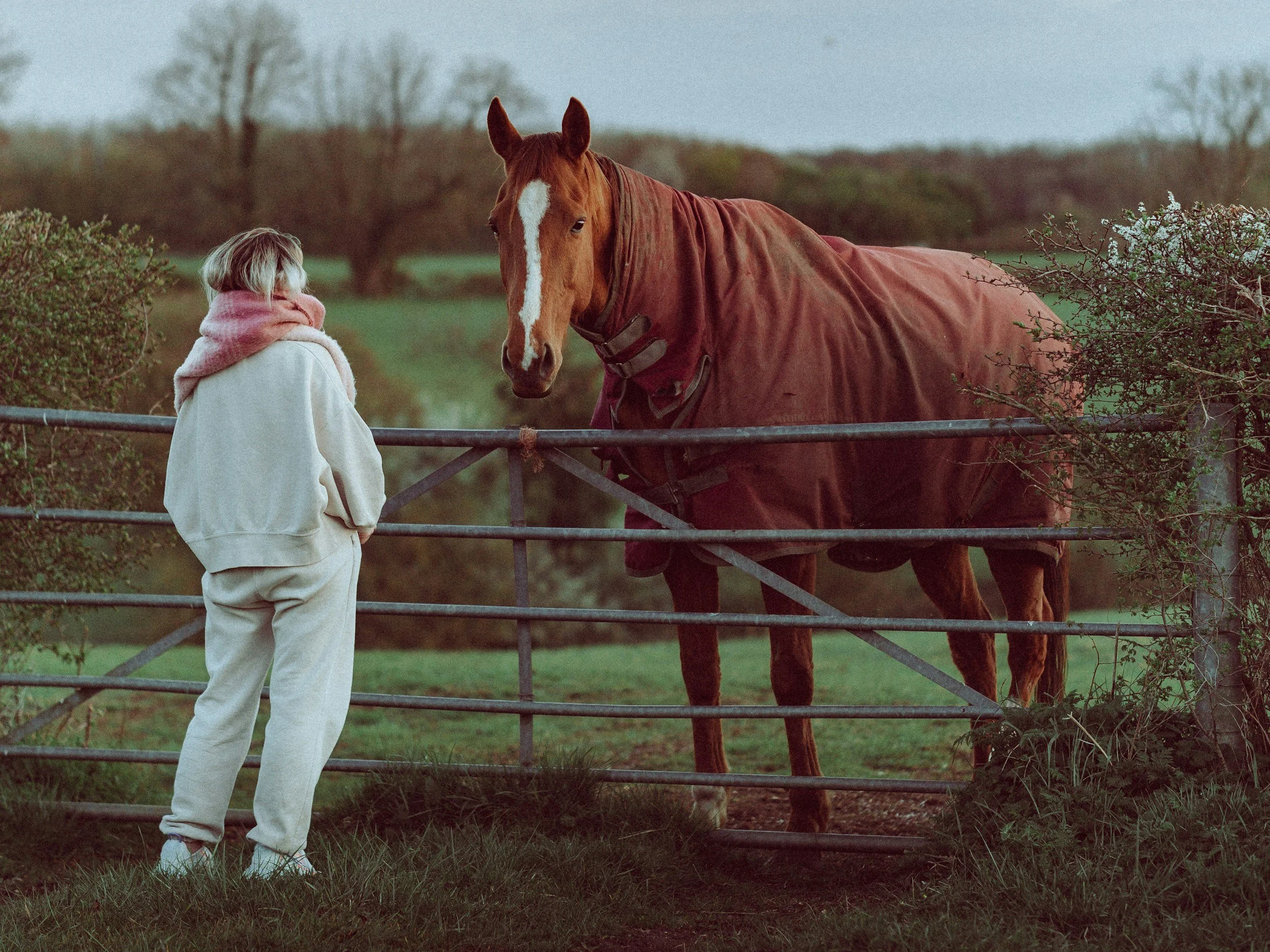
Some adults are specifically drawn to Herd & Soul because of an interest in horses. Others may have little or no interest in interacting with them.
Questions Adults Often Have
-
Adult counseling at Herd & Soul can look very much like traditional psychotherapy, including conversation, reflection, emotional processing, exploration of relationships and patterns, and development of coping or regulation skills.
The ranch also provides additional options for how and where we might work. Depending on your needs and preferences, a session may remain entirely in the office or may incorporate movement, outdoor space, nature, creative or experiential work, animals, or horses when clinically meaningful.
-
Yes. You do not have to participate in outdoor, animal focused, or experiential activities to receive counseling at Herd & Soul. If conversation based psychotherapy in the counseling office is the approach that best fits your needs and goals, our work can primarily or entirely take that form.
-
No. Direct interaction with horses is not required or automatically included as part of counseling at Herd & Soul. Some clients incorporate horses regularly, some occasionally, and others may receive therapy here without directly interacting with a horse at all.
-
Interest in horses does not require direct interaction. Horses may sometimes become part of the therapeutic environment simply through observation or being in proximity to the herd. We can also explore what you notice or experience around horses without requiring physical interaction, and you remain an active participant in decisions about how the environment is incorporated into your therapy.
-
The ranch creates more possibilities for how therapeutic work can occur. In addition to the counseling office, it provides access to outdoor space, movement, nature, animals, varied sensory experiences, and opportunities to notice thoughts, emotions, physical responses, or relationship patterns as they occur in the present moment.
These possibilities are available when useful, but they are not requirements of treatment.
-
We might walk while talking, sit outdoors, use a creative or sensory activity, notice something occurring naturally in the environment, or intentionally incorporate an animal when doing so supports the work we are doing together. I use these experiences purposefully rather than simply adding activities to a therapy session. Their role depends on your treatment goals, preferences, and what appears clinically useful.
-
I consider your treatment goals, needs, interests, preferences, comfort, readiness, and responses to the ranch environment, as well as whether horse involvement offers a meaningful therapeutic purpose. I also consider the horse's behavior, comfort, choice, and welfare.
I incorporate horse involvement when it meaningfully supports the therapeutic work and when the interaction can be appropriate for both you and the horse.
-
Herd & Soul may be a good fit if you are looking for individualized clinical counseling and value having flexibility in how therapy can occur. You do not need to want outdoor work or interaction with animals, but you should understand that the practice is located within a living ranch environment.
If your primary goal is guaranteed horse interaction, riding, horsemanship, or another recreational equine experience, Herd & Soul's clinical counseling model may not be what you are looking for.
An initial consultation gives us an opportunity to discuss what you are seeking, answer questions about my approach and the setting, and consider together whether Herd & Soul appears to be a good clinical fit.

Counseling for Children & Teens
Children and teens often communicate, process experiences, and develop skills differently than adults. For this reason, I adapt therapy to the developmental needs of the young person rather than relying only on sitting and talking throughout a session.
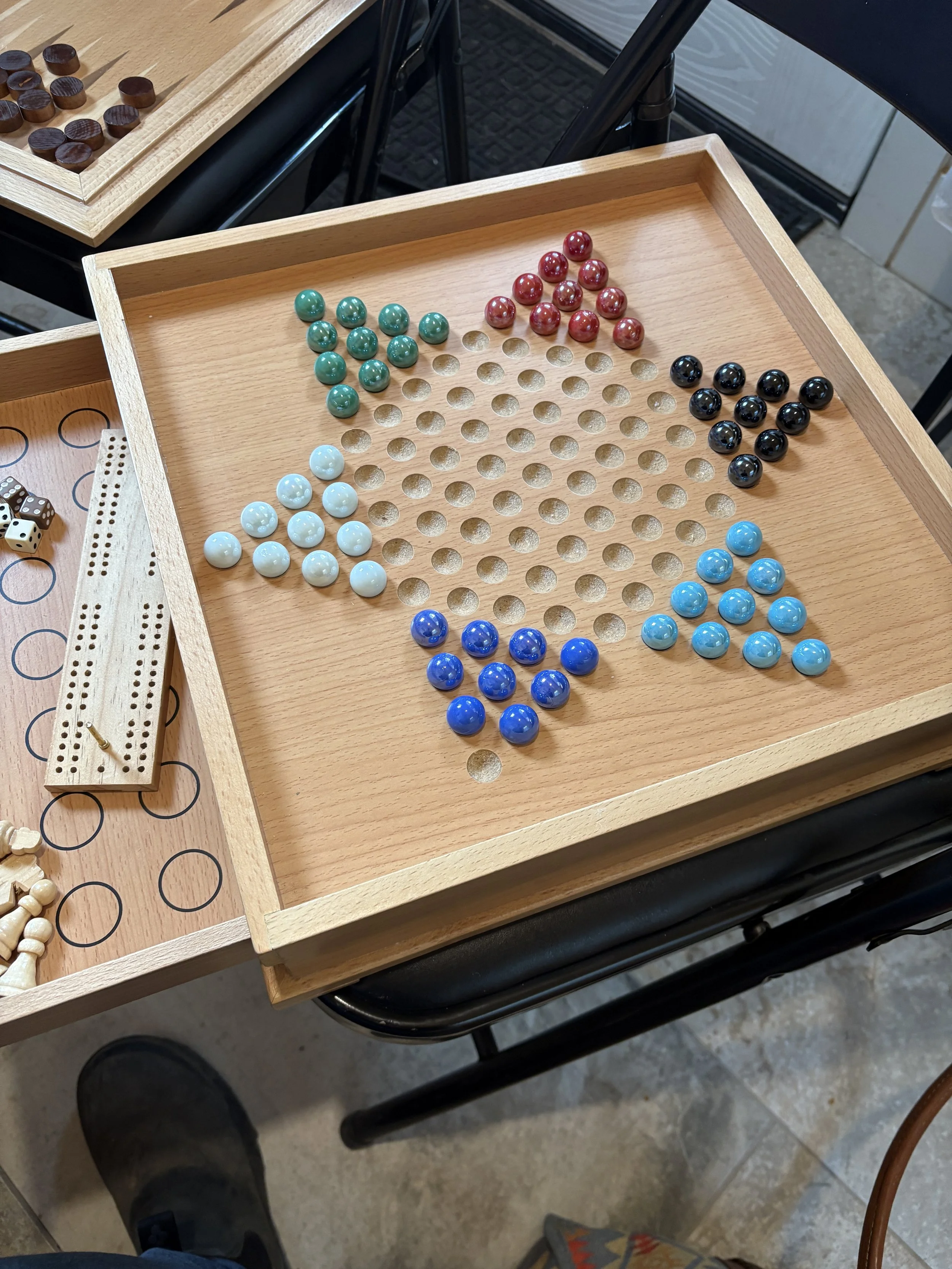
Depending on a child's or teen's age, needs, interests, and treatment goals, counseling may include conversation, therapeutic play, games, drawing or painting, clay, building materials, creative expression, movement, sensory experiences, outdoor exploration, interaction with ranch animals, or other experiential activities.
These different ways of engaging can give young clients additional opportunities to communicate feelings, practice skills, explore relationships, develop emotional awareness, work through difficult experiences, and participate actively in the therapeutic process.
What a Session May Look Like

A child or teen might spend part of a session talking with me in the counseling office and another part engaged in play, art, movement, or an activity outdoors.
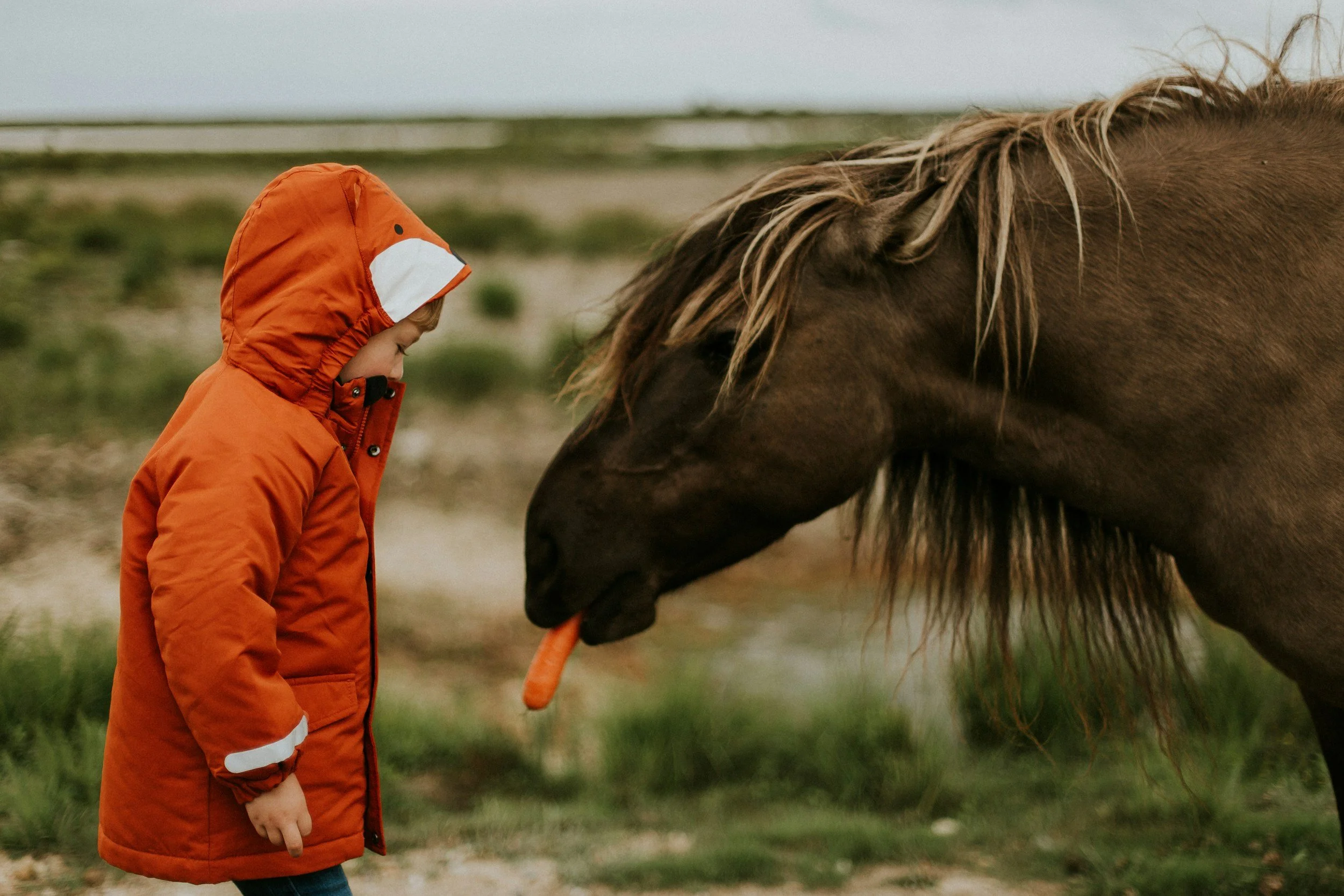
Something occurring naturally in the ranch environment may become relevant to the work we are doing together. Another client may engage more readily through a game, creative activity, movement, or another form of expression. Some young people may be interested in observing or interacting with animals, while others may be drawn to entirely different parts of the therapeutic environment.
Intentional observation of or interaction with horses may also become part of psychotherapy when I determine that doing so meaningfully supports the client's treatment goals and is clinically appropriate.
A child does not need to be interested in horses to receive therapy at Herd & Soul, and direct interaction with a horse is not expected simply because counseling takes place on a ranch.

Caregiver Involvement
Individualized to Developmental Needs
I adapt the structure of therapy to the young person's developmental level, communication style, attention and emotional regulation needs, sensory needs, interests, treatment goals, and capacity to engage with different aspects of the environment.
Some children benefit from frequent movement and active engagement. Others may prefer quieter activities or conversation. Some teens may engage in therapy in ways that look very similar to adult psychotherapy while still benefiting from the flexibility of the ranch setting.
My goal is to find ways of working that support the individual young person rather than expecting every child or teen to participate in the same kinds of activities.
I involve parents or caregivers when it is clinically appropriate and supportive of the child or teen's treatment.
Caregiver involvement may include communication related to treatment goals, support for skills being practiced in therapy, parent or caregiver consultation, or opportunities to strengthen understanding and connection within the family.
The amount and type of caregiver involvement will vary according to the client's age, developmental needs, treatment goals, confidentiality considerations, and individual clinical needs.
Questions Parents Often Have
-
Therapy is individualized to your child's age, developmental needs, interests, communication style, and treatment goals. A session might include conversation, therapeutic play, games, art or building activities, movement, time outdoors, sensory experiences, or engagement with the ranch environment and animals. Some sessions may take place primarily in the counseling office, while others may use different parts of the ranch when doing so supports the therapeutic work.
-
No. Children and teens do not always process experiences or communicate most effectively through conversation alone. I may incorporate play, creative activities, movement, games, experiential activities, or other developmentally appropriate ways for your child to engage in therapy while still keeping the clinical goals of treatment at the center of our work.
-
No. Direct interaction with horses is not required and is not automatically part of therapy at Herd & Soul. Horse involvement may range from observing horses at a distance to more direct interaction, and I incorporate it only when it is clinically appropriate and meaningfully supports your child's treatment goals.
-
Your child does not need to like horses or want to interact with them to receive counseling at Herd & Soul. The ranch offers many other possibilities for therapy, including indoor counseling, play, creative activities, movement, nature, and engagement with other aspects of the environment. Your child's comfort, preferences, and responses to the setting are important considerations in how I structure treatment.
-
Children often communicate, explore experiences, practice skills, and express emotions through more than words. I may use play, art, movement, games, animals, or other experiential activities when they provide a clinically meaningful way to support emotional awareness, regulation, relationship skills, problem solving, expression, or other treatment goals.
-
I consider your child's developmental level, presenting concerns, treatment goals, communication style, mobility and accessibility needs, emotional and sensory needs, interests, comfort, and responses during therapy. I continually assess whether an activity, experience, or part of the environment is helping us move toward the therapeutic goals we have identified. Activities are selected because they support the individual child, not simply because they are available at the ranch.
-
Parent or caregiver involvement is often an important part of therapy with children and adolescents, although the amount and type of involvement varies. I consider your child's age, developmental needs, treatment goals, confidentiality, and clinical needs when determining how caregiver involvement can appropriately support treatment. This may include parent consultation, discussion of treatment goals and general progress, support for skills outside of therapy, or opportunities to strengthen understanding and connection within the family.
-
I consider your child's clinical needs as well as how they respond to the environment. The ranch is a living setting that may include animals, nature, changing weather, insects, movement, sounds, uneven surfaces, and some unpredictability, although therapy can also occur indoors.
During the consultation and early assessment process, I consider whether the flexibility and characteristics of the setting are likely to support your child's treatment or whether another environment may be a better fit.
Call now for a Free 15 minute consultation